
Virginia's SB 84 Legislation Changes the Rules on Pedestrian Safety. Is your community ready?


39,000+
Pedestrian crashes in Virginia in the last decade — 1,300+ died

Every 3 days
A pedestrian was killed on Virginia roads in 2024

45%
Of VA pedestrian fatalities occur at or within 150ft of an intersection

Every 9.5 hrs
Someone dies on Virginia roads. One is injured every 8 minutes.

136
Pedestrians killed statewide in 2025

32
Pedestrians killed in one year by drivers who failed to yield
01
What does SB 84 make possible?
For the first time, Virginia localities can take advantage of technology that automatically detects stop sign violations and failure to yield at crosswalks — the two behaviors most responsible for pedestrian injuries and deaths. This means safer school routes and less burden on an already stretched police force. SB 84 takes effect July 1, 2026.
02
Why does it matter?
Pedestrian crashes in Virginia are up 43% since 2020. Nearly half of all pedestrian incidents happen at or near intersections — in school crossing zones, on the walk to class, during morning drop-off. For years, the challenge wasn't lack of concern. It was a lack of tools. SB 84 changes that.
Why Obvio?
Obvio was built from the ground up to solve the exact problem SB 84 aims to address. Here is what sets us apart:

Get in Touch
Proprietary Technology

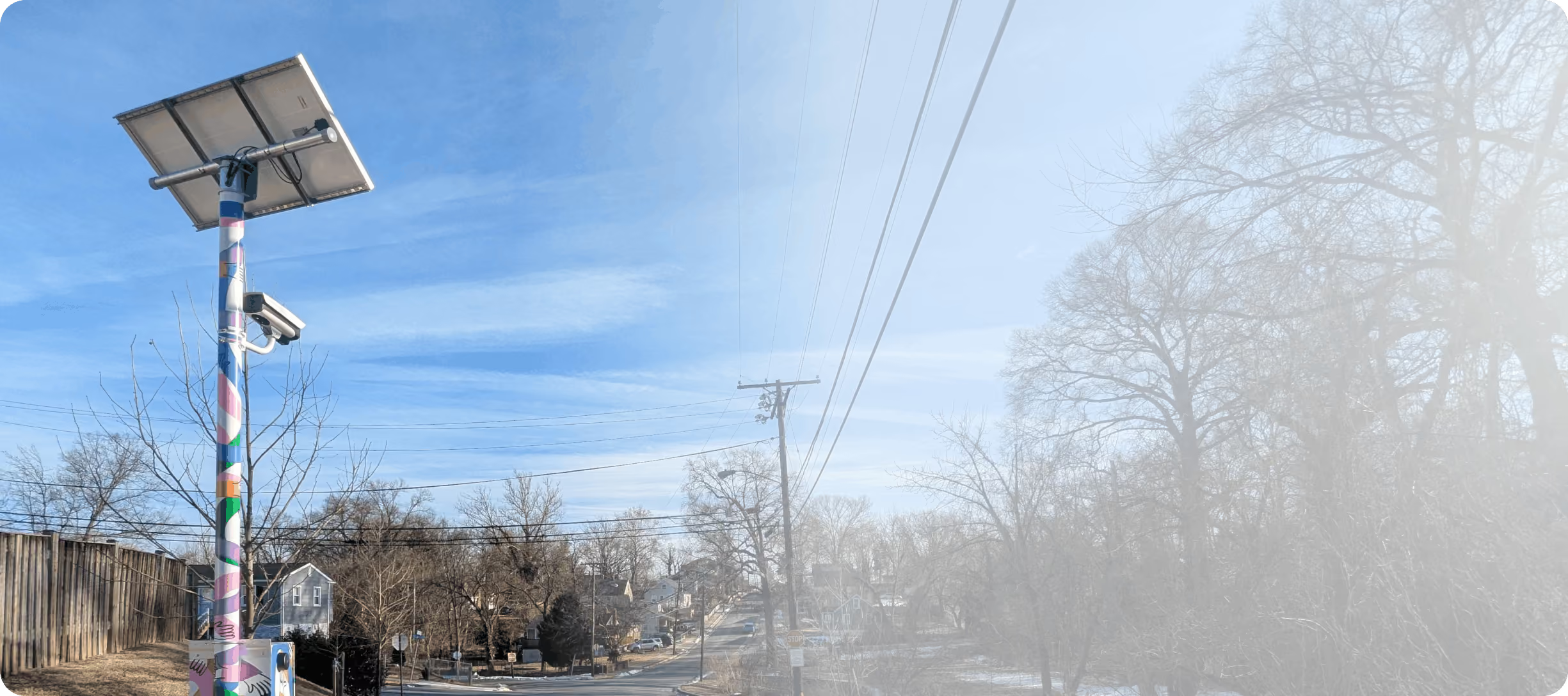
The only vendor in VA capable of enforcing stop sign and cross walk violations under SB 84
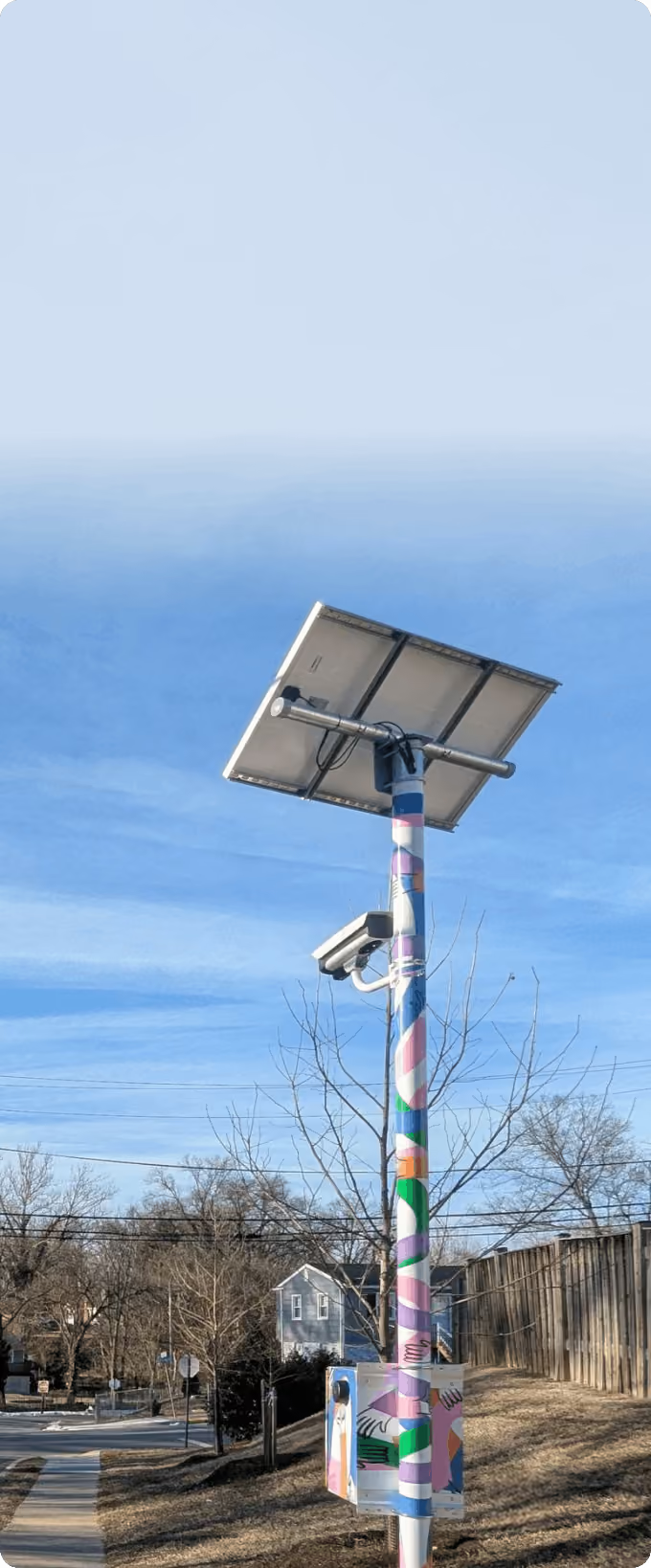
One device detects stop sign violations, failure to yield, distracted driving, and speeding
Three years of purpose-built development


Immediate Deployment
Solar-powered and fully transportable - operational in days
No infrastructure integration or construction required
Works alongside existing ATE programs without distruption
Community Orientation
Our LetsDriveSafer platform pairs enforcement with publish dashboards, real-time metrics, and open data portals.
Keeps residents informed on what the program is doing and why because enforcement works best when the community is part of it
Communities using Obvio have seen up to 70% reductions in violations


AI that saves lives
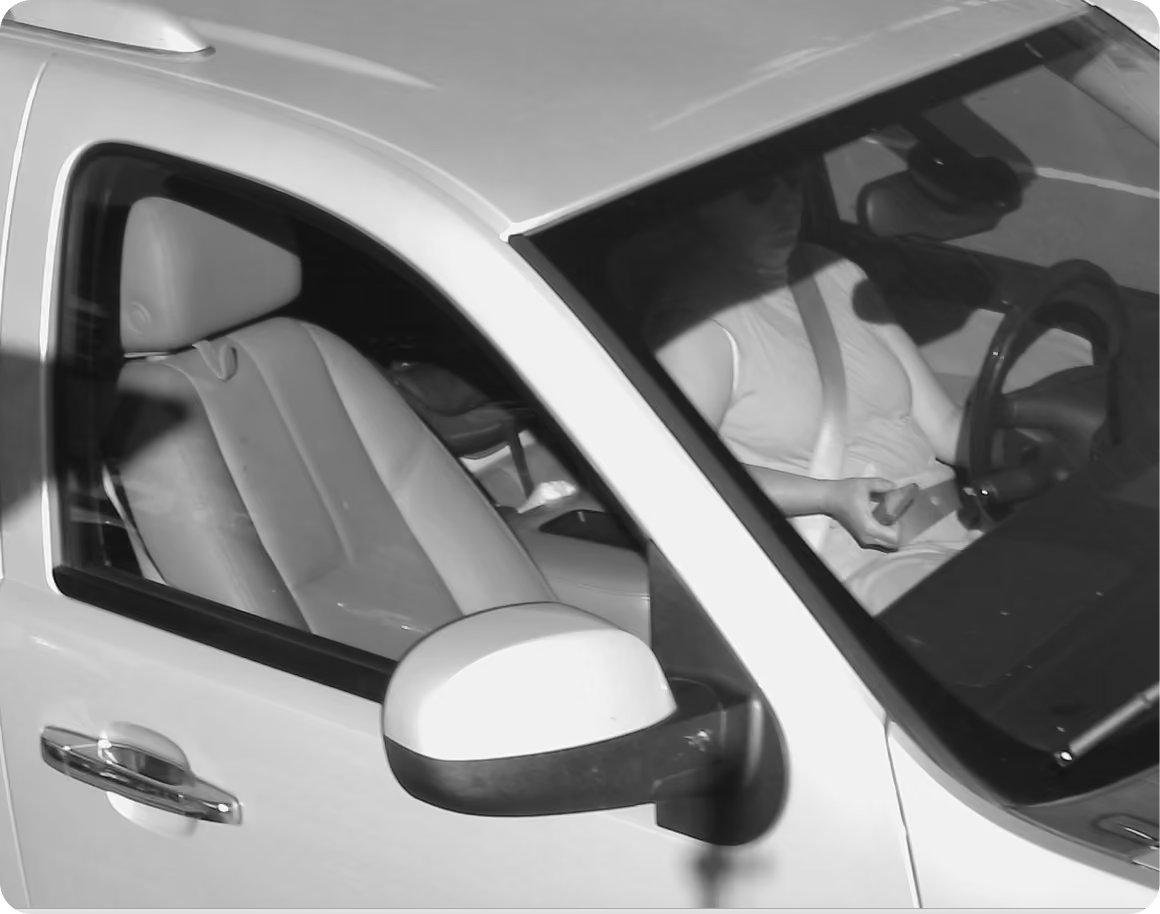
Smart AI that can detect a wide variety of reckless behavior with a single camera

Stop Sign

Seat Belt Violation

Failure to Yield

Distracted Driving

Speeding

Red Light Violation
Why people who care trust Obvio
Client Testimonial

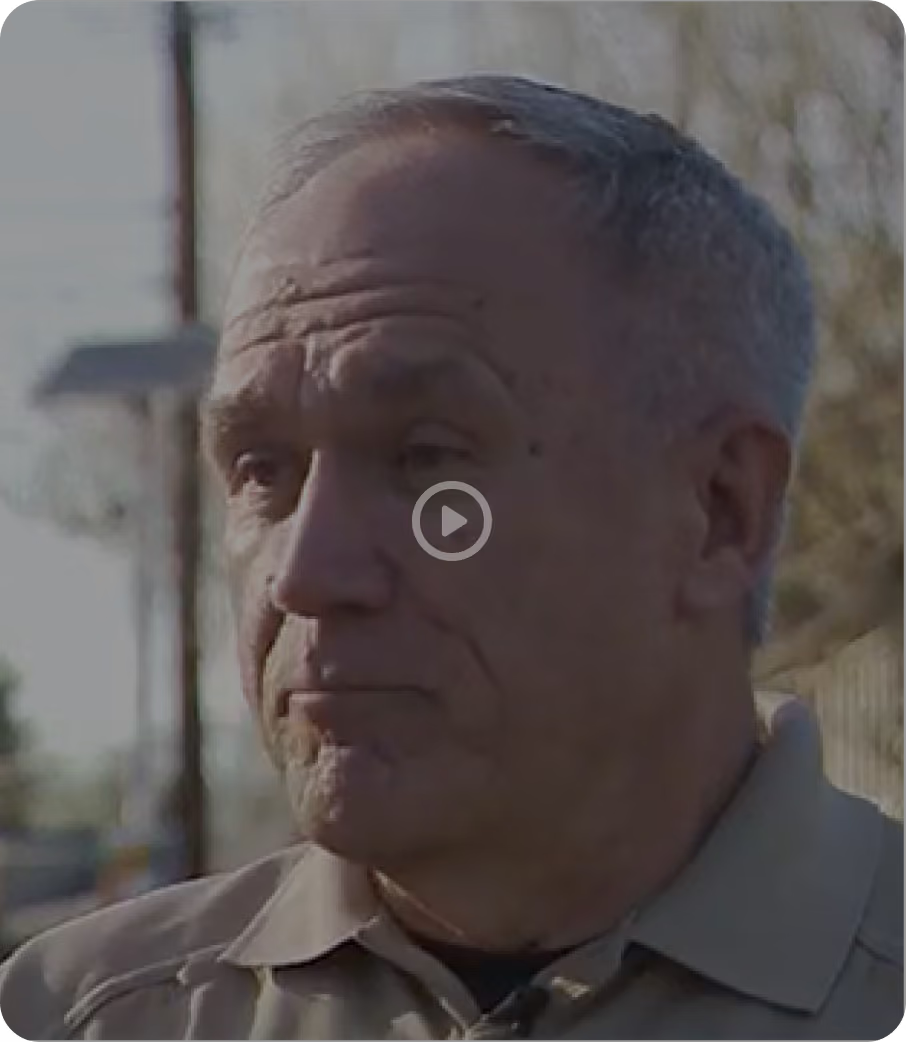
Chief Tracy Stone
Chief of Police, Town of Colmar Manor MD
Client Testimonial
“Even if I put a cop at every stop sign, we're not going to get a 50% reduction in violations like I’m getting now.”

Chief Dan Franklin
Chief of Police, Morningside MD

Client Testimonial
“This program is a no-brainer. We’ve been so impressed with the entire team.”
Joy Ren
Town Manager, Capital Heights, MD
312
Violations / 30 days
68%
Reduction after 90 days
312
Violations / 30 days
68%
Reduction after 90 days
312
Violations / 30 days
68%
Reduction after 90 days
312
Violations / 30 days
68%
Reduction after 90 days
312
Violations / 30 days
68%
Reduction after 90 days
312
Violations / 30 days
68%
Reduction after 90 days
Additional FAQs
Q1. Will this affect drivers' insurance or put points on their license?
No. All citations issued under SB 84 are civil penalties only. They have no effect on a driver's record and cannot be used by insurance companies.
Q2. What happens when a new camera goes live?
The first 30 days are warnings only. No citations are issued during this period. The program is designed to change behavior first, not generate revenue.
Q3. Is this just a way for vendors to profit from violations?
No. Virginia law explicitly prohibits pay-per-ticket arrangements. Vendors like Obvio are compensated based on the value of services provided, not the number of violations issued or fines collected.
Q4. What happens to the footage if no violation occurs?
All camera data is automatically and unrecoverably deleted within 21 days of capture unless a citation has been issued. It cannot be sold, shared, or used for any purpose other than enforcing the three violation types authorized under SB 84.
Q5. Where does fine revenue go?
Revenue first covers the operating costs of the program. Any surplus is directed into a local traffic safety fund, with priority given to school zones, work zones, and high-risk intersections.
Q6. How is resident privacy protected?
SB 84 was written with strict privacy guardrails. Camera data cannot be used for surveillance, sold, shared with outside parties, or used for any purpose unrelated to the specific violation being enforced. Vendors are required to certify compliance annually and are subject to audit by state commissioners.

Excited about our mission?
Join us. We’re a special team.
Explore Open Roles
© 2024-2026 All rights reserved. Obvio Inc.