.svg)
.svg)

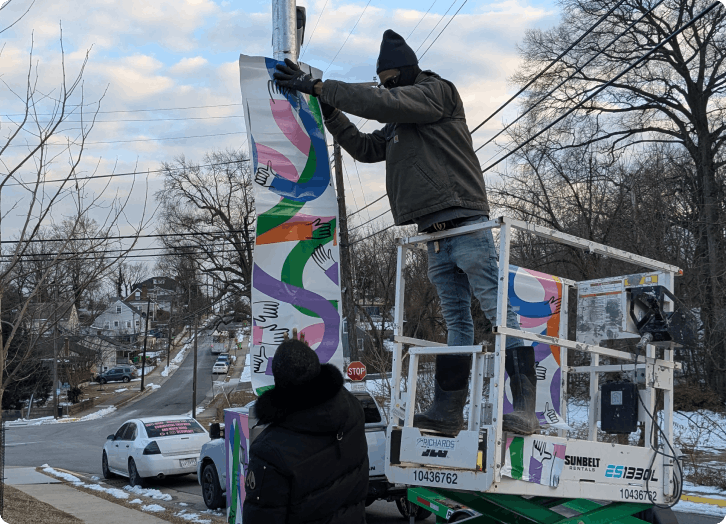
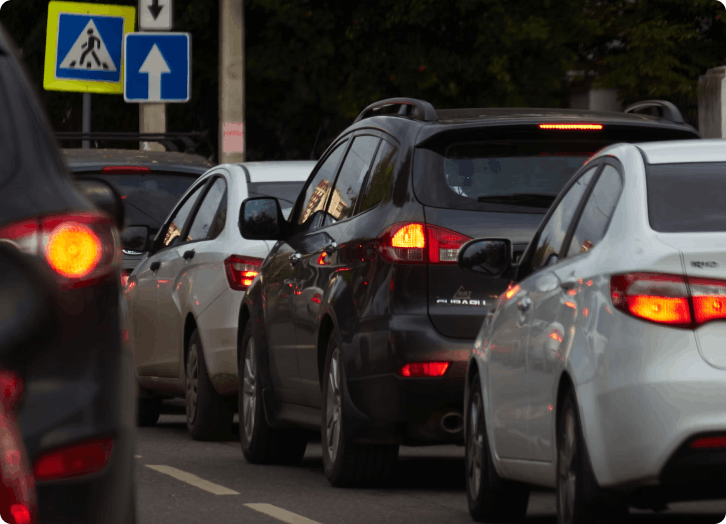
A challenge with addressing traffic ‘accidents’ is that we don’t have great data on the driver misbehavior that causes it making it easy to accept these as mere accidents instead of avoidable tragedies.
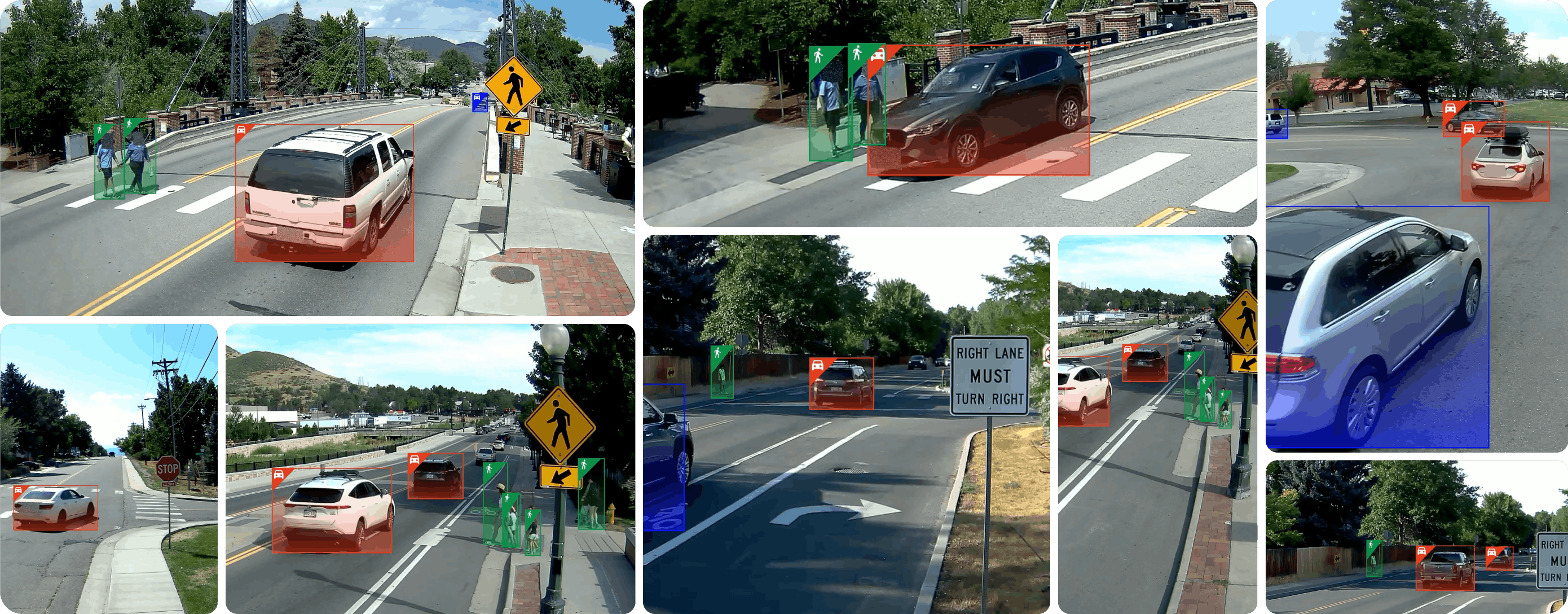
To solve this gap, in partnership with Bicycle Colorado, we set out to run the largest driver behavior study in Colorado to date. For the first time, we were able to get on the ground proof of the rampant misbehavior plaguing our roads. Our hope is that this data will galvanize better policies to protect pedestrians, bicyclists and drivers alike.
You can see the full report published with Bicycle Colorado here, access the full data set here, and read on for the highlights below.
Study setup:
In just 30 mins of observation, we witnessed a whopping 7.9K traffic violations. Extrapolated to the whole day, that’s nearly 200K violations in a single day just at those 196 intersections. We compiled a number of videos here that demonstrate just how bad of a problem this is here.
Some other interesting findings:
What does this mean?
The common refrain of the 3 E’s to address traffic violence - engineering, education, and enforcement - are not working as intended.
Engineering - designing roads that naturally slow vehicle speeds and provide dedicated, protected spaces for people biking, walking, and rolling - is slow, expensive, and can’t scale quickly and broadly.
Education - enhancing public awareness of traffic regulations and safe driving behaviors - is hard to measure and not 100% effective as evidenced by continued seatbelt misuse
Enforcement - adopting and enforcing laws that promote safe driving - is what works. Specifically, we believe that automated enforcement can quickly, scalably, and measurably reduce driver misbehavior on the roads.
Automated enforcement is the solution that will reduce driver misbehavior and traffic violence in Colorado and nationwide. Check out our work with Bicycle Colorado to see how we’re working on making legislative change to enable the adoption of automated enforcement in the near term.
.avif)
.svg)